Upgrading From Windows 7: A Guide To Modern Windows & Office Licensing.
The ending of support for Windows 7 marked more than the end of an operating system; it signaled the end of a whole era of management and licensing for software. For individuals and businesses clinging to `windows 7`, the upgrade path to Windows 11 is not a simple re-installation–it’s a migration to a fundamentally different digital paradigm. The change is encompassing all aspects of your Windows 11 experience from the way you buy the Windows lizenz to the way you interact with Office and secure your system. Digital subscriptions, cloud-integrated licenses and ecosystem security have replaced old-world software suites that were bought once or distributed via physical media or only sold as standalone software. Navigating this transition requires understanding ten critical intersections between legacy practices and the latest requirements in which decisions regarding your OS directly impact your productivity suite, security posture, and future scalability.
1. Hardware Gauntlet – Your first important, non-negotiable action
Windows 11 hardware requirements must be met before you even think about purchasing Windows 11 (TPM 2.0 Secure Boot, modern CPU). Windows 7-era computers, particularly older than 2017 will not pass this check. This isn’t a Microsoft cash grab. It’s a mandatory security measure. These features form the “hardware root of trust” that modern security products like Windows Defender and even third-party suites like `kaspersky premium` depend on. The use of non-official ISO modifications creates a unstable and unsupportable system, which nullifies all the security advantages that the upgrade provides. You are left with a greater risk of vulnerability than with Windows 7.
2. License Migration Myths: Your Windows 7 Key Is (Mostly) Inactive
In the past it was possible to utilize the Windows 7 Pro activation key for Windows 10. The grace period for Windows 11 is now over. Your current Windows 7 license, especially in the case of an OEM license that was tied to an old motherboard does not have any upgrade value to a brand new Windows 11 installation on the same aging hardware if it doesn’t meet the specs. Your new installation is a fresh start. It means that your hunt for Windows 11’s licensing is a brand new process of procurement. This means you have to start with a clean slate and learn about the new landscape of OEM/Retail.
3. The Office Licensing Revolution.
If you use Office 2010 or Office 2013 on Windows 7 you are accustomed to a perpetual “office license”. Office 2021 was a dead end product the day it went live. It received security updates but had no new functionality. Microsoft 365 subscriptions are the only method to increase productivity. This is a significant change. You aren’t just upgrading Office. Instead, you adopt a cloud ID (Azure Authentication) which gives you 1TB of OneDrive Storage, and allow real-time collaborative capabilities. The old habit of purchasing Office only once every 10 years is now being replaced by a monthly operational expense, which includes continual updates and support.
4. Security is not an afterthought – A New Paradigm is required.
Windows 7 users probably used a third party antivirus, such as the old Norton 360 suite. Windows 11 is a game changer. Windows Security Defender, the integrated security program in Windows 11, is a high-end solution that works with cloud-based services. Installing an older third-party software can cause conflicts and performance problems. This is the time to conduct a thorough review. Do you think Defender with its modern hardware security features provide enough security, or is it necessary to buy an additional suite like Kaspersky? It all depends on the threat profile you have, but you no longer have to purchase separate antivirus software.
5. The Clean Install Imperative and Data Migration Strategy
The upgrade that is in place from Windows 7 is not supported. This could lead to cause instability. It is not an unintentional Reinstall. This procedure requires you to transfer your data in a disciplined way. Now is the time to consider cloud-based backup strategies and put an end to local drives. Microsoft 365 comes with OneDrive. Setting up Known Folder Move, which backs up Desktop, Documents and Pictures during the set-up process, transforms data migration from a laborious manual task into a seamless ongoing cloud-synced process. The data you store is not PC-centric anymore, but user-centric.
6. The Professional Feature Crossroads: Pro is the new Minimum.
Windows 11 Pro must be purchased in the event that Windows 7 Professional was used for BitLocker hosting, domain joining Remote Desktop, or BitLocker. A home key for Windows 11is a fatal error for business or professional use. Home isn’t able to connect to domains. It isn’t equipped with BitLocker security as well as the Group Policy Editor. If you are moving from Windows 7 Pro to Windows 11 Pro or the Microsoft 365 Business subscription or a Retail license is the only way to maintain professional functionality and data protection.
7. Beware of Grey Market Sirens Calling During Transition.
Many people buy cheap “windows 11 OEM” keys on gray markets because of the pressure to upgrade, and they are stung by the cost of new licenses. This is a catastrophic error during a transition. These keys aren’t reliable and leave you with a weak foundation when you begin to create the new system. Making the investment in a retail license, or a subscription that includes Windows (like Microsoft 365 Business), provides peace of mind and direct support, as an upgrade route. The cost of buying a grey-market crucial factor is the complete loss of data and time when it is inevitably deleted.
8. Cloud Computing Future-proofing the Cloud with The Server Connection
Windows Server 2025 is likely to be the future of your Windows 7 computer if it was part of a domain. Windows 11 Pro alone is not sufficient for the modern day integration. A better understanding of what cals are (Client-Access Licenses) is necessary. Cloud-based solutions include Azure Active Directory, included with Microsoft 365 Business plans. When upgrading from Windows 7, you will have to decide: Do you want to continue investing in on-premise servers and CALs or do cloud-based identity management as well as device management with subscription (Intune). The two options are completely different in terms of licensing and pricing.
9. Driver Archaeology and the Need for a Modern Hardware Base.
Windows 7 thrived on a huge library of drivers from the past. Windows 11 relies primarily on modern cloud-based drivers via Windows Update. Windows 7 may be the only option for certain hardware (old scanners, scientific instruments, etc.). Upgrade tests must contain an exhaustive test of compatibility with the hardware. It is usually found that an upgrade will require new hardware. The most stable and practical option would be to purchase a brand new computer equipped with Windows 11 OEM already installed.
10. A shift in philosophy: From Ownership to Access and Management.
The transition from Windows 7 to Windows 8 is ultimately a philosophical change. The old model of static software ownership (windows7 DVD and Microsoft Office 2010 box) is being replaced by a subscription-based service or a digital license that has very strict transfer restrictions. Your security model changes from an antivirus that you can bolt on to an integrated, hardware-backed defense. Data moves from local to cloud storage. Using an Microsoft 365 subscription and a valid Windows 11 Pro licence, and also embracing the latest security, is the only method to ensure that the upgrade will not just deliver a brand fresh OS but also a durable, manageable, and modern computing platform for the next decade. Read the top rated windows 7 for blog tips including windows & office, windows office software, microsoft 365 key, microsoft visio software, windows server os, office2019 download, product keys, ms visio, ms office 2016, windows server 2016 os and more.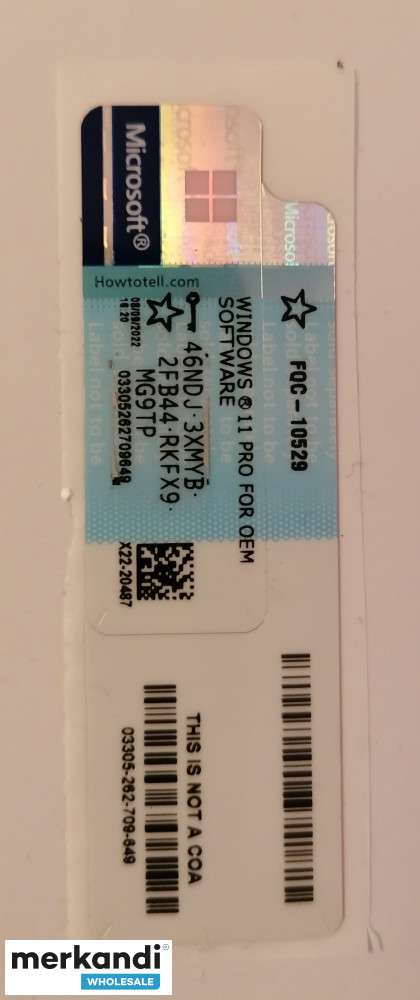
The Real Cost Of Software. A Legitimate Windows License And Antivirus Can Save You Money.
In the modern economy, the search for short-term savings on software could result in a longer-term financial crisis. The logic behind buying an inexpensive windows 11 OEM` key from a grey-market site or not using a reliable antivirus such as kaspersky premium to save money is a fundamental misinterpretation the risk and value. The true value of software doesn’t originate from the cost of its purchase. It comes from the total Cost of operating (TCO), which is the sum of all security breaches and data loss downtimes, compliance fines and productivity loss over the duration of the software. An authentic “windows 11 license” and a professional security suite aren’t costs for businesses or serious users as they are investments in infrastructure which offer tangible ROI. This analysis deconstructs the hidden costs that can make the “cheap’ option incredibly expensive. The dots are connected to OS licensing through to productivity software and the server infrastructure.
1. The Grey Market License – It’s not an Asset!
When you buy a Windows 11 license from an unauthorized vendor and you are responsible for it, it is your responsibility. Microsoft is able to deactivate all of these keys. These are usually large licenses, MSDN keys or keys that violate terms. Microsoft will deactivate all of the keys that typically are volume licenses or MSDN keys that violate the terms. The “savings”, of $30 on the initial key is dwarfed by this. A license from an OEM or Retail store is an asset that is guaranteed throughout the life of the hardware.
2. OS Integrity is an indicator of the security software’s effectiveness. software.
Antivirus suites such as norton360 or kaspersky work at the kernel level and require a central operating system that is uncompromised secured, reliable, and safe. A grey-market Windows installation usually uses modified system files or activation scripts to get around verification. The modifications could be classified as malware, causing instability to the security suite. Or, worse, they may generate backdoors that render antivirus ineffective. When you hire a security professional who has a good level of protection (kaspersky) You are placing him in an unintentionally compromised building. The foundation’s corruption reduces the security guard’s effectiveness.
3. Time Bombs for Compliance and Audit – The Business Effect
Software audits are a form of Russian roulette for a business using unlicensed software. If a company is using Windows Server 2025 and the client computers are running grey market Windows without cals then an audit will trigger an ‘true-up’ charge for the entire cost of each desktop license that isn’t legitimate, plus penalties. A sudden capital outlay of tens of thousand dollars is possible in excess of any previous “savings.” The legal license is a form of insurance against this financial shock that could be catastrophic.
4. Data loss is the final cost that is not budgeted.
Unpatched vulnerabilities are the most common vector through which ransomware, malware and other threats that take data could be spread. Windows Updates can be delayed or broken on non-genuine Windows installations. A system can be vulnerable when security patches are not applied on time. The cost of a single ransomware virus, which includes the ransom cost (with no assurance that it will be paid), the cost for the forensic IT services, and the loss of data as well as the disruption of the business, can put an unprofitable company in the position of going bankrupt. The costs of a genuine Windows 11 Pro license and an antivirus subscription of the highest quality is a small monthly cost against this multi-million dollar risk.
5. Productivity Software Instability in a Fake Framework
Installing a legitimate Office lizenz on a non-genuine Windows system, be it an annual office lizenz or an Microsoft 365 Subscription, is an unwise move. Office updates and activation services are tightly linked to Microsoft’s ecosystem. Windows damaged or deactivated could affect Office activation. This can result in reduced functional banners, as well as crash and loss of cloud sync. The investment in productivity software is wasteful if the platform was made to fail. A steady OS is crucial to ensure that productivity is stable.
6. The IT Labor Multiplier of Unofficial Stacks that are Fragmented.
It’s a nightmare manage a cluster of computers that are equipped with a variety of grey market products, mixed antivirus and no central administration. Each issue is not supported and takes a significant amount of time to identify. Compare that to an Intune-managed fleet and a centrally-managed security console that is backed by valid Windows 11 Pro licenses. The latter could reduce the time required for repair (MTTR), which is an indicator of the time it takes to resolve issues, in order-of-magnitude. Software licenses can be bought at a lower cost but the cost of labor are exponentially more expensive.
7. The Dead End of the Upgrade Path and its Future Cost.
The grey market windows 11 home key” (or Pro key) does not provide a legitimate upgrade path. When it’s time to move hardware or integrate with the new Windows Server 2025system it is necessary to purchase a full license again usually at a higher price. A valid retail license is transferable. Microsoft 365 comes with continuous upgrade rights. The cheap key may trap you in a cycle where you have to purchase it again while the right choice provides a clear and definite path that is predictable and protects your initial investment.
8. Performance Tax on “Bargain” software and Conflicts
Illegal software that activates grey-market Windows run persistent processes in the background. They use up memory and CPU. They interfere with legitimate software and security tools. This “performance tax” reduces the performance of trading platforms, development tools and creative suites. The time lost to slower performance–compounded over months and years–represents a significant, hidden cost in lost human productivity. A well-maintained and reliable system will ensure that all hardware resources are dedicated for the work you actually need.
9. Professional Reputation, Client Trust and Loss.
Unlicensed software is a liability for a business. If a customer or business associate finds out that you’re making a mistake with your basic application software, this will damage the trust of both individuals. It’s a sign of disregard for the legality, security and integrity of the operations. This is a significant reason to not be able to compete or due-diligence financing. The loss of contracts, loss of partnerships, as well as damage to your brand are costs that are significantly more expensive than a software licence.
10. The importance of a complete ecosystem vs. a collection of “savings”.
A comprehensive ecosystem is most cost-effective. Microsoft 365 Business Premium offers an extensive ecosystem for business: Windows 11 Pro (via an upgrade option) and the most recent Office applications, 1TB of secure cloud storage and business email. All this is offered with a fixed cost per user. This will eliminate the gray market Windows hunt and standalone Office licenses and third-party antivirus as it comes with upgraded Defender. The TCO is transparent, manageable, and legally sound. The “savings,” which are created by sewing illegal pieces together, is a fabrication. Follow the top rated norton 360 for blog recommendations including microsoft office key, ms office 2016, microsoft office with key, office 2019, microsoft project, office 365 office key, windows server 2016, windows and office, office 2016 software, key 365 office and more.